

What is Siddhasana and its benefits?
Siddhasana is also known as the “Perfect Pose,” a name derived from the Sanskrit words “siddha,” meaning “accomplished,” and “asana,” meaning “pose.” It is one of the most common meditation poses, used in hatha Yoga and other Yoga forms. This Asana is a seated Yoga posture traditionally used for long periods of meditation and breathing exercises, known as “Pranayama.” Siddhasana is superior to Padmasana for Dhyana. The Yoga traditions believe that attaining mastery over this Asana will grant you many Siddhis, meaning “powers.”
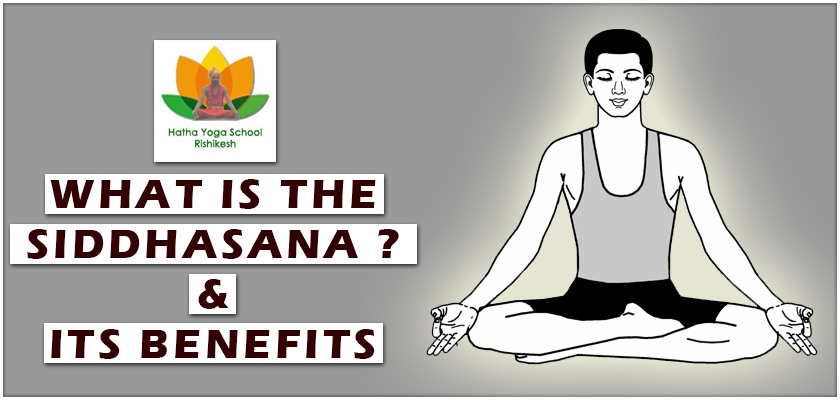
This Siddhasana stimulates both the Muladhara and Svadisthana chakras. It is the primary pose that is used for meditation and pranayama. When practicing Siddhasana, it is said to regulate the flow of prana and calm the nervous system. This Asana improves the flexibility of your hips, ankles, and knees, while strengthening your back. To acquire the “Siddhis” (Powers), many Yoga enthusiasts come to the Yoga centre in Rishikesh and join a Yoga teacher training program, learning this Siddhasana because it is so beneficial for health, reduces stress, and purifies the nadis of the body.
Tips for Beginners to do Siddhasana
If you are a beginner and practicing Siddhasana, then being in correct alignment will always provide a comfortable space for you to deepen your meditation and pranayama practice. Always be sure to alternate the position of your legs, avoiding favouritism towards one side or the other. You can hold the pose for the same length of time on each side.
How to do Siddhasana
To learn this Tadasana, follow the steps below:
- To perform this Asana, first sit on the floor with your legs close together. Then take the left foot and place it at the perineum. For females, they should place the left foot in the labia majora of the vagina.
- After that, please place your right foot over your left foot.
- To achieve a balanced posture, slide the toes of your right foot into the space between the left calf muscles. It may require some adjustment to the position.
- Your knees should touch the floor.
- After that, make your spine straight. And the chin can press against the chest.
- To achieve a balanced posture, slide the toes of your right foot into the space between the left calf muscles. It may require some adjustment to the position.
- You can also practice Ujjayi breathing as part of a meditation technique.
- Maintain this position for as long as you are comfortable.
Precautions for doing Sidhasana
- If you have a knee injury, it is best to avoid practicing the Siddhasana pose.
- If you have recently had hip surgery, then you should avoid this Asana.
- If your hips or lower back are very tight or painful, it might be difficult to cross your legs and perform this Asana.
- If you have any medical concerns, please consult your doctor before using this Asana.
Benefits of Siddhasana
- This Asana stretches the hips, knees, and ankles.
- Siddhasana helps to balance the activities of the reproductive organs.
- It helps to stabilize the sexual energy, which is beneficial for deep meditation.
- This Asana helps in concentration and clarity of mind.
- It improves memory, digestion, and mental faculties.
- It is beneficial for individuals who suffer from wet dreams.
- This Asana holds the spinal column straight and steady.
- Siddhasana stabilizes the nervous system by calming down the panic energy.
- This Asana gives the Yoga beginner control over their sex urge and the sexual functions.
FAQ
1. In yoga, what is Siddhasana?
Siddhasana is an ancient seated meditation pose in Hatha yoga that aims to clear the mind and energize the body to eliminate distractions. This is one of the most popular yoga poses here at Hatha Yoga School Rishikesh for laying a foundation of deep meditation and pranayama.
2. What are the benefits of Siddhasana?
Consequently, siddhasana starts the root chakra, increases the flexibility of the hips and knees, corrects the posture, and enhances concentration. This is one of the most important sitting postures taught in teacher training at Hatha Yoga School Rishikesh.
3. Is Siddhasana safe for beginners to practice?
Yes, Siddhasana can be comfortably and safely practiced by a beginner placing cushions under the hips. At Hatha Yoga School Rishikesh, students are instructed through certified yoga instructors who guide them in practicing the asana correctly and safely.
4. How much time shall I spend in Siddhasana?
You can start with five to ten minutes per day and then extend it. The students of the Hatha Yoga School Rishikesh are taught to sit for a long time in order to be prepared for meditation and pranayama themselves.
5. Does the yoga teacher training program of Rishikesh include Siddhasana?
Siddhasana remains one of the most basic and fundamental postures taught during yoga teacher training in Rishikesh. It is also included in the courses that are usually undertaken by the Hatha Yoga School Rishikesh.
Read More – Self-Practice Tips for Yoga Teachers





Some people say that siddhasan is not for households,, it should be practiced only by brahmacharis..
It is true,, please guide me..