
What is Dandasana?
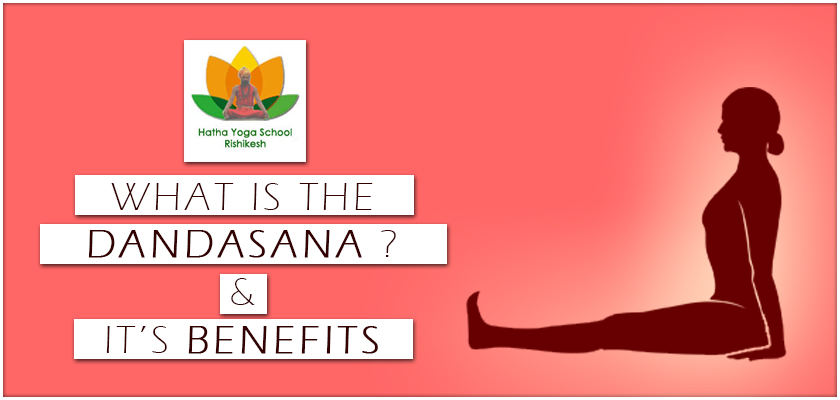
“Dandasana” comes from the Sanskrit words “Danda,” meaning “Stick,” and “Asana,” meaning “Posture”. This asana helps your body prepare for more intense poses and also increases your ability to align your body perfectly. It is also known as “Staff Pose”. This pose teaches you to sit with correct Posture, and the regular practice of this pose makes your hips and pelvis more flexible and strengthens the lower back. Always try to ensure that your upper body is both erect and relaxed, while the lower portion should be grounded. You can sit on the blanket to help prevent hip stiffness.
It is one of the ideal asanas for promoting strength and good form, which supports one’s spiritual journey. This pose is beneficial for connecting with the three bandhas: mula bandha, uddiyana bandha, and jalandhara bandha. Most people who want to learn the “Dandasana or Staff Pose” come to Rishikesh to join Yoga teacher training programs from Different regions and countries. Hatha Yoga School offers the best opportunity for students who want to learn about Dandasana and how to practice it.
Most Important Tips for Beginners to Do Dandasana
This asana is very simple, so people should not have any difficulty in doing it. Beginners should work this Dandasana from their feet up. If you are a beginner, then you should follow the tips:
- Your weight must be well balanced between your buttocks. You must move your hips from one side to the other once you are in the pose. When you feel the weight is balanced, ensure that the pubic bone and the tailbone are at equal distance from the floor.
- Align yourself so that your ears, shoulders, and hips are in a straight line.
- Always check and adjust your alignment every time you enter this pose.
Precautions to Do Dandasana (Staff Pose)
- If you have a wrist or low back injury, avoid this asana because it tends to put pressure on these areas.
- It is as simple as an asana, so it is best to do it under the guidance of a Yoga instructor. With this pose, always remember to listen to your body and push only as much as it can bear.
- If you have any medical concerns, please consult your doctor before practicing this asana.
How to do Dandasana or Staff Pose
Learn how to do Dandasana by following the steps:
- Firstly, you sit straight on the ground with your back straightened and your legs stretched out in front of you. Always ensure that your legs are parallel to each other and your feet are pointed upwards.
- After that, press your buttocks on the floor, and align your head in such a way that the crown faces the ceiling. This will automatically straighten and lengthen your spine.
- Now flex your feet and press your heels. And place your palms next to your hips on the floor. This pose will support your spine and also relax your shoulders. Ensure that your torso is straight but relaxed.
- Relax your legs, and ground the lower half of your body firmly to the floor.
- Breathe normally, and hold the pose for about 30 to 40 seconds.
Benefits of Dandasana
- This asana increases the flexibility of the hips and pelvis.
- This asana teaches you to sit correctly.
- This asana helps stretch the chest and shoulders.
- Regular practice of Dandasana is sure to improve your posture.
- Dandasana helps to focus and calm the mind.
- It helps to relieve stress and enhance concentration.
- Improves the posture of the lower back.
- If you practice the Dandasana or Staff pose with a smooth and steady breath, it can help relieve stress and improve concentration.
- Improve the functionality of the digestive organs.
- It helps to relieve complications related to the reproductive organs.
- It helps to calm the brain cells.
- This asana provides a mild stretch for the hamstrings.