
What is Padmasana and its benefits?
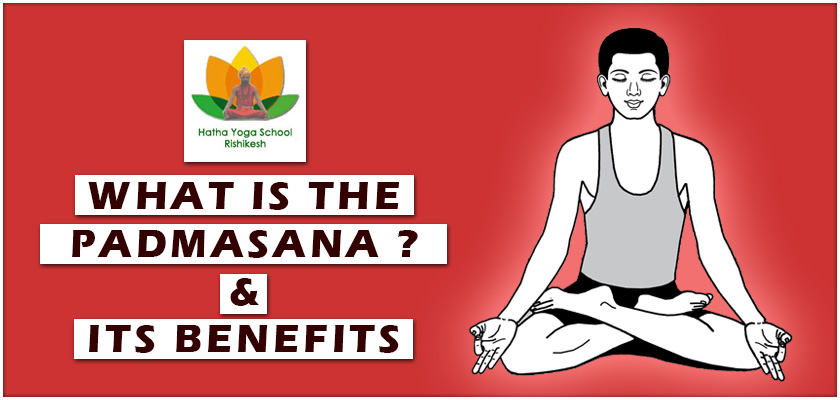
“Padmasana” is a Sanskrit word and is also known as “Kamalasan”. The word “kamal” is a Hindi word that means “Lotus flower”. This asana is also known as the “Lotus Pose”, because of the lotus shape made by our legs while performing this asana. This asana is a yogic exercise in which one crosses the legs while maintaining a straight posture. This asana is an essential position for meditation. This asana helps deepen meditation by calming the mind and improving various physical disorders.
Primarily, people who sit in office chairs have the opportunity to chat with their colleagues. With this Padmasana, you can strengthen your legs. It is one of the asanas that is most suited for those people. It is a good workout and good for the mind and breathing. It helps to increase flexibility. To learn how to practice Padmasana, most people visit Yoga schools in Rishikesh and enroll in the best Yoga teacher training centers in Rishikesh to reap the benefits of this pose.
Tips for Beginners to do Padmasana (Lotus Pose)
If you are a beginner, it is best to practice this pose in the morning, as it is a meditative asana. This asana must be done on an empty stomach. If you practice Yoga asana, it is best to take your meals at least four to six hours before doing this asana. If you are a beginner and have trouble overlapping both your legs while sitting in Padmasana, you can also sit in Ardha-Padmasana by placing one leg on the opposite thigh.
Precautions for Padmasana (Lotus Pose)
- People with a knee or ankle injury should avoid this asana.
- If you have undergone a recent knee surgery, then you should avoid this asana.
- For those with a sprain in the leg, it is advisable to avoid this asana.
- If you are a novice to this pose, then you should perform this asana under the guidance of an experienced Yoga teacher.
- If you are suffering from severe back pain, then you should not do this Padmasana.
How to do Padmasana (Lotus Pose)
To learn this Padmasana, follow the steps below:
- To perform this asana, first sit on the floor and stretch your legs out, ensuring they are straight in front of you.
- After that, hold the right leg in both hands, fold it slowly, and place it on the left thigh. Ensure that the feet touch your naval.
- Similarly, fold the left knee and hold it with both hands, placing it on the right thigh close to the other.
- At this point, both knees should touch the floor, and the feet should face upward.
- At this point, your spinal cord should be straight.
- If you are facing difficulty while sitting in the pose for a long time, you can change your legs and then sit in the same position.
- Ensure your spinal cord is straight.
- Breathe long and deep. Just focus on your breathing. Begin by holding this asana for 2 to 3 minutes in the initial stage. Once you are daily practicing, then increase the time to 15 to 30 minutes.
“Note: Always remember the one most important thing that we don’t bend our body or head while doing Padmasana.”
Benefits of Padmasana
- It enhances focus and concentration.
- This asana strengthens the hip and knee joints of women and can lead to a painless, peaceful mind.
- Padmasana helps reduce muscular tension and regulate blood pressure.
- By practicing this asana, unwanted fat in the hips and thighs will be reduced.
- If pregnant women regularly practice this asana during pregnancy, it can make labor and delivery easier.
- Padmasana helps to awaken the chakras and also increases your awareness of things.
- By this asana, the energy levels are restored.
- It provides peace and a long life to the practitioners.