Find all of our Yoga Teacher Training and Retreats article in our blog directory..
What is Dandasana? “Dandasana” comes from the Sanskrit words “Danda,” meaning “Stick,” and “Asana,” meaning “Posture”. This asana helps your body prepare for more intense poses and also increases your ability to align your body perfectly. It is also known as “Staff Pose”. This pose teaches you to sit with correct Posture, and the regular…
What is Siddhasana and its benefits? Siddhasana is also known as the “Perfect Pose,” a name derived from the Sanskrit words “siddha,” meaning “accomplished,” and “asana,” meaning “pose.” It is one of the most common meditation poses, used in hatha Yoga and other Yoga forms. This Asana is a seated Yoga posture traditionally used for…
What is Padmasana and its benefits? “Padmasana” is a Sanskrit word and is also known as “Kamalasan”. The word “kamal” is a Hindi word that means “Lotus flower”. This asana is also known as the “Lotus Pose”, because of the lotus shape made by our legs while performing this asana. This asana is a yogic…
What is Trikonasana? “Trikonasana” is the combination of two Sanskrit words, “Trikon” and “Asana”, where “Trikon” means Triangle and “Asana” means pose. This Asana resembles the triangle shape, which is why it is also known as Trikonasana. This triangle pose is a fundamental pose for maintaining health and wellness. This AAsanahelps to stretch the muscles…
What is Vajrasana? “Vajrasana” comes from the Sanskrit word “Vajra,” which means “thunderbolt” or “diamond,” and “asana” means “Pose”. This asana is also known as “Diamond Pose”. You can find that Yoga asanas are mainly performed on an empty stomach. However, this asana can be done immediately after eating. It is particularly effective after meals…
History of Yoga Yoga consists of mental, spiritual, and physical practices that originated in ancient India. In the Rig Veda, the first Mention of the word “Yoga” was found. The purpose of Yoga is to bring about physical and mental change in a person. In Jainism, Buddhism, and Hinduism, the Yoga practices are not only…
Myths about Yoga in people When we think about Yoga, we often feel like making different poses, stretching our bodies, sweating, and more. However, many times we forget the basics, and this can lead to many myths being built in our minds, which can change our perspective towards Yoga. There are certain myths mentioned below…
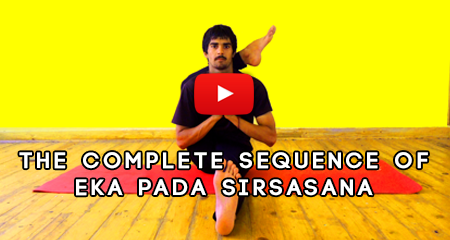
What is Eka Pada Sirsasana Eka Pada Sirsasana is also known as One-Legged Head-to-Knee Pose or One-Foot-Behind-Head Pose. This Eka Pada Sirsasana Pose is derived from the Sanskrit words “Eka,” meaning one, “Pada” meaning leg, “Sir” meaning head, and “asana” meaning pose or posture. This pose requires considerable flexibility in the lower body, hips, and…
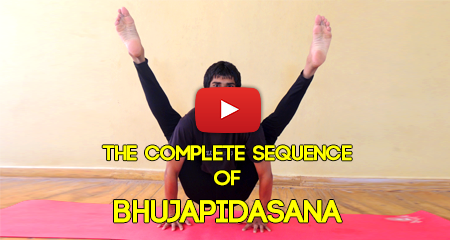
What is Bhujapidasana? Bhujapidasana, or Arm pressing posture, comes from the Sanskrit bhuja, which means “arm” or “shoulder”. Pida means “pressure” and asana means “poses”. This Yoga asana requires balance, flexibility, and strength in the arms and shoulders, as well as wrist strength to balance on the palms, with the legs wrapped around the shoulder…
What is Dwi Pada Sirsasana? Dwi Pada Srisasana, or we can say both the legs behind the head, is one the complex poses in Yoga philosophy and is being taught in most of Yoga schools, it consists of sitting upright with your both arms stretched in V shape, eyes closed and rolled up towards your…