

Types of Yoga | Yoga & its types
Yoga is a way of life that involves a set of physical exercises performed in a predefined manner. Yoga can be practiced in countless ways, reflecting the variety of styles available. Many styles of Yoga have been taught and practiced by sages and saints for ages in India. We will now explore and discuss the most well-known Yoga styles.
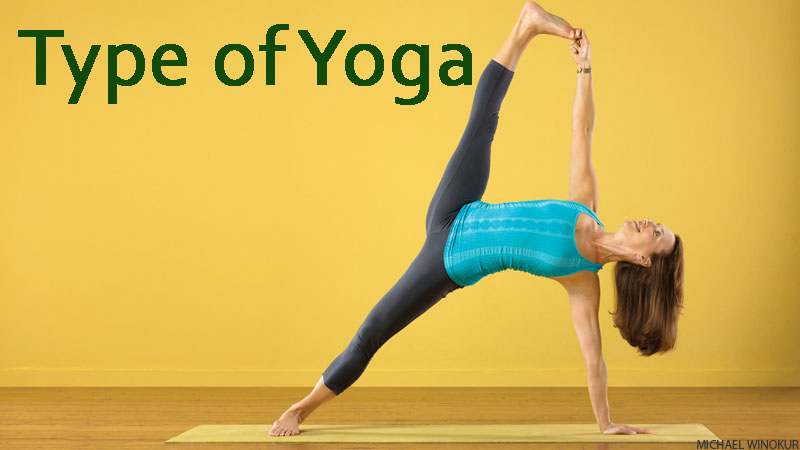
The different types of Yoga:
- Hatha Yoga
- Vinyasa Yoga
- Ashtanga Yoga
- Bikram Yoga
- Iyengar Yoga
- Anusara Yoga
- Jivamukti Yoga
- Vini Yoga
- Sivananda Yoga
- Restorative Yoga
- Kundalini Yoga
- Yin Yoga
-
Hatha Yoga
Hatha Yoga is an ancient traditional practice of a set of exercises or poses performed in a slow but focused manner. It has six limbs, namely asana, pranayama, pratyahara, dharana, dhyana, and Samadhi. It helps preserve the life force or ‘Prana’ in us by channelizing internal energy.
-
Vinyasa Yoga
Vinyasa is a Sanskrit term used for doing a particular style of Yoga, which usually involves transitioning from one Yoga pose to another. It is done in a sequential manner that interlinks one posture with another in a continuous flow. It creates a movement meditation that is done throughout Yoga practice.
-
Ashtanga Yoga
The Ashtanga style of Yoga was discovered by K Pattabhi Jois in 1915. This Yoga style involves synchronizing your breath with a progressive series of postures that includes producing intense internal heat, purifying the body through sweat, and detoxifying muscles and organs. The result is improved blood circulation, a light yet strong body, and a calm and peaceful mind.
-
Bikram Yoga
The Bikram style of Yoga is done with consistency. It has twenty-six postures and two breathing techniques, each of which should be performed twice. It is done for 90 minutes at a room temperature of 40̊ to 42̊ °C.
-
Iyengar Yoga
Iyengar Yoga was introduced to the world by BKS Iyengar of Pune. In this style, poses are held for longer durations, and focus is on correct musculoskeletal alignment in each asana. Iyengar style also uses props such as wood blocks, straps, ropes, chairs, and blankets.
-
Anusara Yoga
Anusara is a unique style of Yoga that needs to be experienced and accepted as it is. Students in this style are taught to express themselves through poses to their fullest ability. It includes alignment, attitude, and action.
-
Jivamukti Yoga
Jivamukti is a blend of two distinct Yoga styles. It resembles Ashtanga Yoga in the Vinyasa Flow style, particularly in the way poses are performed. Each class begins with a warm-up sequence and inculcates weekly themes, meditation, and mantra chanting. Its poses are usually fast-paced and include twists, turns, inversions, bends, meditation, and relaxation.
-
Vini Yoga
It is a highly individualized practice in which a person adopts poses and sets goals for themselves every week, according to their needs. Vini means adaptation, application, and differentiation instead of focusing on stretching and bending.
-
Sivananda Yoga
Sivananda Yoga is a style founded by Swami Sivananda, which usually begins with Savanasana, Kapal Bhati, and Anulom Vilom Pranayama, followed by some sun salutation poses. Next come the 12 poses of the Sivananda style, which are designed to strengthen and make your spine flexible. Mantra chanting and meditation can be part of a full-length Sivananda Yoga class.
-
Restorative Yoga
Restorative Yoga is a gentle, relaxing, and passive style of Yoga that allows students to relax and release the body into a gentle stretch, which is held for at least 10 minutes. This style incorporates a variety of props, including wood blocks, straps, rope, and blankets. This is done to provide support to each pose, helping you let go of any self-restrictions. It usually has 4 to 5 simple poses that are mostly modified versions of standard asanas.
-
Kundalini Yoga
Kundalini Yoga includes repeated movements along with dynamic breathing techniques, mantra chanting, and meditation. Each repeated exercise is referred to as a kriya. These movements are often synchronized with breathing. This Yoga style is aimed at awakening the energy at the base of the spine and pushing it upwards through each of the seven chakras present in our body.
-
Yin Yoga
Yin Yoga is a slow-paced style in which each pose is held for at least 5 minutes. Although it is a passive form of Yoga, it can be very challenging, particularly when holding the pose for longer durations. The purpose behind this is to apply moderate pressure to your muscles, tendons, fascia, and ligaments. This helps increase circulation in joints and improves the body’s overall flexibility. You need to be patient, calm, and composed to practice yin Yoga.





Hopefully this makes it easier for you on your road to yoga bliss.
Anusara.
Ashtanga.
Bikram.
Hatha.
Iyengar.
Jivamukti.
Kripalu.
Kundalini.