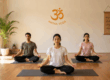

Yoga functions as more than just a fitness routine because it presents itself as a complete life philosophy. The yoga philosophy reveals its main purpose to achieve complete balance between mind, body, and soul.
The foundation of yoga philosophy consists of multiple essential principles, yet the two primary elements that form its core are the Yamas and Niyamas. The two sets of rules provide us with direction to achieve a peaceful and positive lifestyle through balanced living. The blog presents the fundamental principles of yoga philosophy through simple language that anyone can grasp.
What are the Yamas? (Yamas in Yoga Philosophy)
The Yamas establish social conduct rules that govern our behavior towards people and society. The Yamas show us the proper way to treat people while maintaining our ethical standards.
- Ahimsa (Non-violence)
Ahimsa means that people must avoid all forms of harm against others through their spoken words and their thoughts and their physical actions.
The primary yoga principle serves as the fundamental concept that all other yoga principles are built upon.
- Satya (Truthfulness)
According to Satya people must always speak the truth while following the path of truth. The truth needs to be presented in a way that maintains safety for all individuals.
- Asteya (Non-stealing)
Asteya means that people must not engage in theft. The definition of this concept extends beyond the act of stealing physical things because it includes the illegal acquisition of another person’s time and labor.
- Brahmacharya (Right Use of Energy)
The principle requires people to spend their energy on activities that match their life purpose. The concept inspires people to maintain both physical and mental balance while they develop self-control.
- Aparigraha (Non-possessiveness)
Aparigraha describes the practice of abstaining from the collection of unnecessary items which exceeds actual requirements. The concept shows us that people achieve true happiness through a way of life that values simplicity.
What are the Niyamas? (Niyamas in Yoga Philosophy)
The Yamas teach us how to improve our outside behavior while the Niyamas help us to develop our inner self.
- Shauch (Purity)
The term Shauch describes cleanliness which includes both bodily and mental clean states.
- Santosha (Contentment)
Santosha means finding happiness in what you have.
The practice protects us from both greedy thoughts and stressful feelings.
- Tapas (Austerity/Discipline)
The term Tapas describes the practice of self-discipline combined with hard work.
The practice drives us to work hard until we reach our desired outcomes.
- Swadhyaya (Self-Study)
The practice of Swadhyaya involves people studying their own nature while they continuously develop new knowledge. The practice functions as an essential element of Yoga philosophy which enables practitioners to reach self-knowledge.
- Ishwar Pranidhana (Surrender to the Divine)
The practice requires people to dedicate their actions to the Divine while they develop their trust in God. The practice provides us mental tranquility together with a feeling of confidence.
The Importance of Yamas and Niyamas in Daily Life
The fast-paced nature of today’s world creates situations in which people face stress and anxiety and experience life imbalances. The Yamas and Niyamas of Yoga philosophy provide us with a pathway to achieve a straightforward existence that brings inner tranquillity.
The first benefit of our study results in stronger connections between people.
The first benefit of our study enables us to achieve mental tranquillity.
The first benefit of our study helps people establish life equilibrium.
The first benefit of our study enables people to feel more self-assurance and positive energy.
The results of our daily life will change through our application of these principles which we will use to make gradual improvements to our daily activities.
The Connection of Yogic Principles to Yoga Practices
Yoga practice requires more than executing asanas (postures). Yoga practice remains incomplete without us committing ourselves to live according to the Yamas and Niyamas.
For example:
The practice of Ahimsa (non-violence) will help you achieve mental tranquillity.
The practice of Santosha (contentment) will bring you happiness.
Our Yoga practice improves when we understand Yoga philosophy because it enables us to practice Yoga more effectively.
Many Yoga institutions—such as the Hatha Yoga School—place special emphasis on these foundational principles, ensuring that students acquire not just the physical techniques (asanas), but a comprehensive understanding of Yoga as a whole.
Conclusion
The Yamas and Niyamas constitute the very foundation of Yoga philosophy. They show us the path to developing into superior humans while maintaining our life equilibrium.
Yoga beginners and experienced practitioners must apply these principles throughout their existence. Your self-development process will result in a positive transformation which will bring you mental peace better relationships and life balance.
The true essence of yoga lies not merely in contorting the body, but in steering one’s life in the right direction.
FAQs (Frequently Asked Questions)
- What are Yama and Niyama in the philosophy of Yoga?
Yama and Niyama are the ethical guidelines of yoga that illuminate the path toward living a righteous life.
- Is it possible to practice yoga without observing Yama and Niyama?
While you can certainly perform the asanas (physical postures), you will not attain the complete yoga experience.
- How can one incorporate Yama and Niyama into daily life?
Begin by making small changes—such as speaking the truth and cultivating contentment.
- Are Yama and Niyama intended solely for those who practice yoga?
No; they are beneficial for anyone and everyone who aspires to lead a better life.
- Why is the philosophy of Yoga significant?
Because it bestows upon us mental peace, a sense of balance, and a clear direction in life.
Read More –
Yoga & Yogic Diet: Natural Detox for Body and Mind