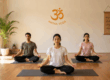

People in modern society need two things for their well-being because they want to maintain good physical health while achieving mental peace and developing mental strength. Ashtanga yoga functions as a complete practice that brings together all aspects of human existence. The practice includes more than just asana sequences because it requires practitioners to develop discipline and control their breathing and build their inner power.
The term Ashtanga yoga translates to “eight-limbed yoga.” The ancient yoga tradition teaches practitioners to achieve physical and mental harmony while developing their spiritual connection. Regular practitioners show improvements in their stability levels and their confidence and energy levels.

What is ashtanga yoga?
The Yoga Sutras of Patanjali serve as the foundation for ashtanga yoga. The system identifies eight limbs which include yama and niyama and asana and pranayama and pratyahara and dharana and dhyana and samadhi. Practitioners today focus on practicing asanas together with breathing exercises.
This yoga style follows a specific sequence (series). Practitioners use vinyasa breathing to perform each asana. The system requires practitioners to synchronize their breathing with their movements. This system enables practitioners to maintain equilibrium between their mental and physical states.
The Importance of Discipline
Discipline serves as the essential core element which establishes the basic structure for ashtanga yoga practice. Practitioners perform the same exercise routine on a daily basis. Although first-time users may find this method challenging, the practice helps users develop physical strength and mental stability.
Daily practice enables the body to increase its flexibility and develop strength. The mind learns to develop both patience and self-control. The Yoga practice shows us that with regular practice we will make gradual progress toward our goals.
Ashtanga yoga teaches its practitioners to breathe properly during their practice. Ujjayi Pranayama is a key component. The special breathing technique creates body heat which results in sweating and the process of detoxification.
The mind achieves its peaceful state through deep controlled breathing. The present moment exists while you perform each posture through its synchronized breathing and movement patterns. This practice leads to better stress management and enhanced focus abilities.
Strength and Flexibility
The general public believes ashtanga yoga exists only to enhance flexibility. The practice develops all body strength through muscle development and core power and balance training.
The practice starts with Surya Namaskar which requires the complete activation of body movement. This is followed by standing, sitting, and inverted postures. The sequence develops internal body strength through its various movements.
The practice of yoga boosts endurance while creating a sensation of weightlessness throughout the body.
Mental Benefits
ashtanga yoga is not just a physical practice. It produces deep effects which change the way people think. The practice helps people manage stress better while they sleep better and their thoughts become clearer.
Daily practice of the same sequence leads to mental stability. The mind enters into a meditative state through progressive development. Many practitioners believe this path leads to spiritual development.
How to Get Started?
Aspiring yoga practitioners should seek experienced instructors to learn ashtanga yoga. The basic series should be your first practice area.
The body develops strength through its first series before it reaches the second level. People need to learn how to wait instead of trying to achieve their goals too quickly.
Traditional yoga schools in Rishikesh implement authentic yoga teachings. The HathaYoga School provides students with traditional exercise training through discipline and breathing methods. The practice required here becomes a complete life commitment.
Conclusion
Ashtanga yoga serves as a body breath and mind unification practice. The path to actual development requires us to follow strict rules and work consistently.
Daily practice of ashtanga yoga enables you to develop strength and balance while achieving mental tranquility. Establish a slow beginning which you will maintain until internal transformations occur. The main attractive quality of this system.
People Ask Question
- Is ashtanga yoga suitable for beginners?
Yes beginners can practice ashtanga yoga but they need to learn from a qualified instructor.
- What is the difference between ashtanga yoga and hatha yoga?
Hatha yoga is a simple and slow practice, while ashtanga yoga involves specific sequences and faster postures.
- Does ashtanga yoga promote weight loss?
The body burns fat through active practice which also enhances metabolic functions to achieve weight management.
- How many days a week should you practice?
You should practice between five and six days each week although it is better to begin with a small amount.
- Does ashtanga yoga reduce mental stress?
Yes breathing exercises and meditation techniques practiced in this discipline help to alleviate stress and anxiety.
Read More –
Yoga Teacher Training Course in Rishikesh 2026
300 Hour Yoga Teacher Training Course in Rishikesh in 2026
Best Winter Yoga Poses to Reduce Joint Pain and Stiffness Naturally